
Introduction to Lemon Pistachio Cake
What Makes Lemon Pistachio Cake Special
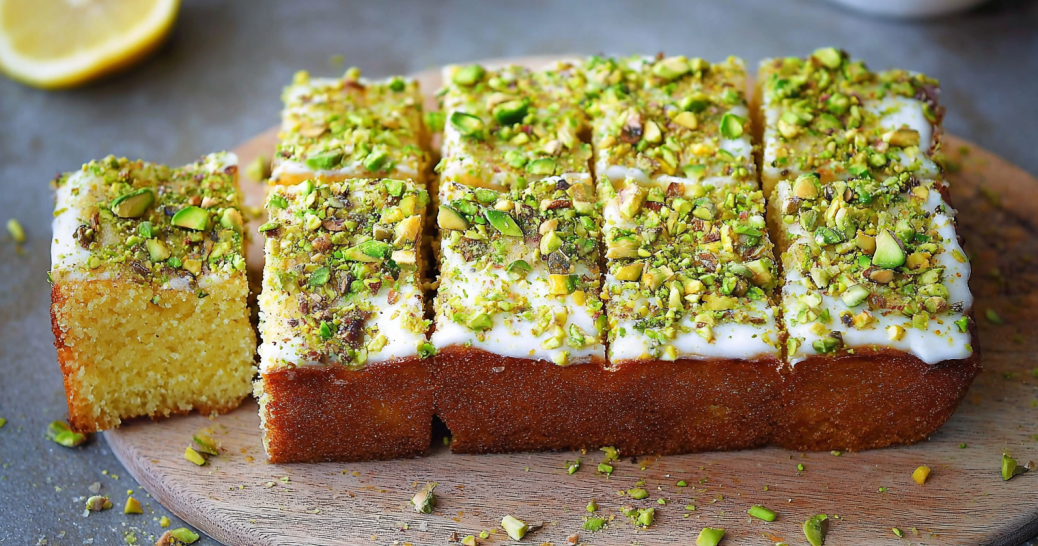
If you’re looking for a dessert that tastes as beautiful as it looks, this lemon pistachio cake is the one to bake. It combines the brightness of fresh lemons with the earthy crunch of pistachios, creating a perfectly balanced flavor profile that feels both refreshing and indulgent. Every bite delivers a mix of zesty citrus and nutty sweetness that instantly lifts your mood and impresses your guests. Unlike many traditional cakes that rely solely on sweetness, the lemon pistachio cake brings together two complementary ingredients that elevate each other, creating a dessert that feels sophisticated yet simple to prepare at home.
Lemon adds a clean, tart edge that enhances the natural richness of the pistachios. Together, they create a harmony of textures and flavors, giving this cake a moist crumb and a fragrant aroma that fills your kitchen while baking. Whether you’re an experienced baker or just starting out, this recipe is approachable and foolproof, producing consistent results every time.
Table of Contents
Looking for inspiration? Try pairing this lemon pistachio cake with a dollop of whipped cream, a sprinkle of crushed nuts, or a light drizzle of lemon glaze for a bakery-quality finish. It’s a dessert that works beautifully for birthdays, family gatherings, or simply when you want something a little more special with your afternoon coffee.
A Brief History of Pistachio and Lemon Desserts
Pistachios have long been treasured in Middle Eastern and Mediterranean cuisines, often used in pastries, halva, and creamy desserts. Lemons, on the other hand, have a deep connection to Mediterranean baking traditions, where their acidity balances the richness of nuts and butter. When these two ingredients meet in a cake, they create an extraordinary fusion of cultures and tastes that feels both classic and contemporary.
In modern baking, the lemon pistachio cake has become a favorite among home bakers and pastry chefs alike because it delivers both visual appeal and complex flavor with minimal effort. The green hues of pistachios and the golden crumb of lemon cake make it as eye-catching as it is delicious.
Why This Cake Is Perfect for Every Occasion
What makes this lemon pistachio cake so versatile is its ability to fit any setting. Serve it plain for a cozy tea-time snack, glaze it for an elegant dinner dessert, or frost it for a celebratory centerpiece. It’s moist, aromatic, and not overly sweet, which makes it a hit even with those who usually prefer lighter desserts. Plus, its natural colors and textures mean you can skip elaborate decorations—the cake itself does all the talking.
With simple ingredients and an easy process, this cake delivers bakery-quality flavor without complicated steps. It’s proof that sometimes the best desserts are made from the simplest ideas.
Ingredients Overview and Their Role
Print
Lemon Pistachio Cake: The Best Zesty and Nutty Dessert Ever
Description
A light, zesty lemon pistachio cake made with olive oil, yogurt, and fresh lemon zest for a moist, nutty, and refreshing dessert.
Ingredients
1 ½ cups all-purpose flour
1 tsp baking soda
½ tsp sea salt
2 medium eggs (room temp)
1 cup granulated sugar
2 tbsp lemon zest
2 tbsp lemon juice
½ cup olive oil
½ cup yogurt
½ cup unsalted pistachios
Instructions
1. Zest and juice the lemons.
2. Rub zest into sugar until fragrant.
3. Whisk flour, baking soda, and salt.
4. Beat eggs and vanilla, then add sugar mixture.
5. Add olive oil and yogurt, mix until smooth.
6. Fold in dry ingredients and lemon juice.
7. Add pistachios and mix gently.
8. Pour into pan and bake at 350°F for 30 min.
9. Cool and top with whipped cream or glaze.
Notes
Use fresh lemons for best flavor.
Store covered for up to 3 days.
Add rose water for a Middle Eastern twist.
Key Ingredients for Lemon Pistachio Cake
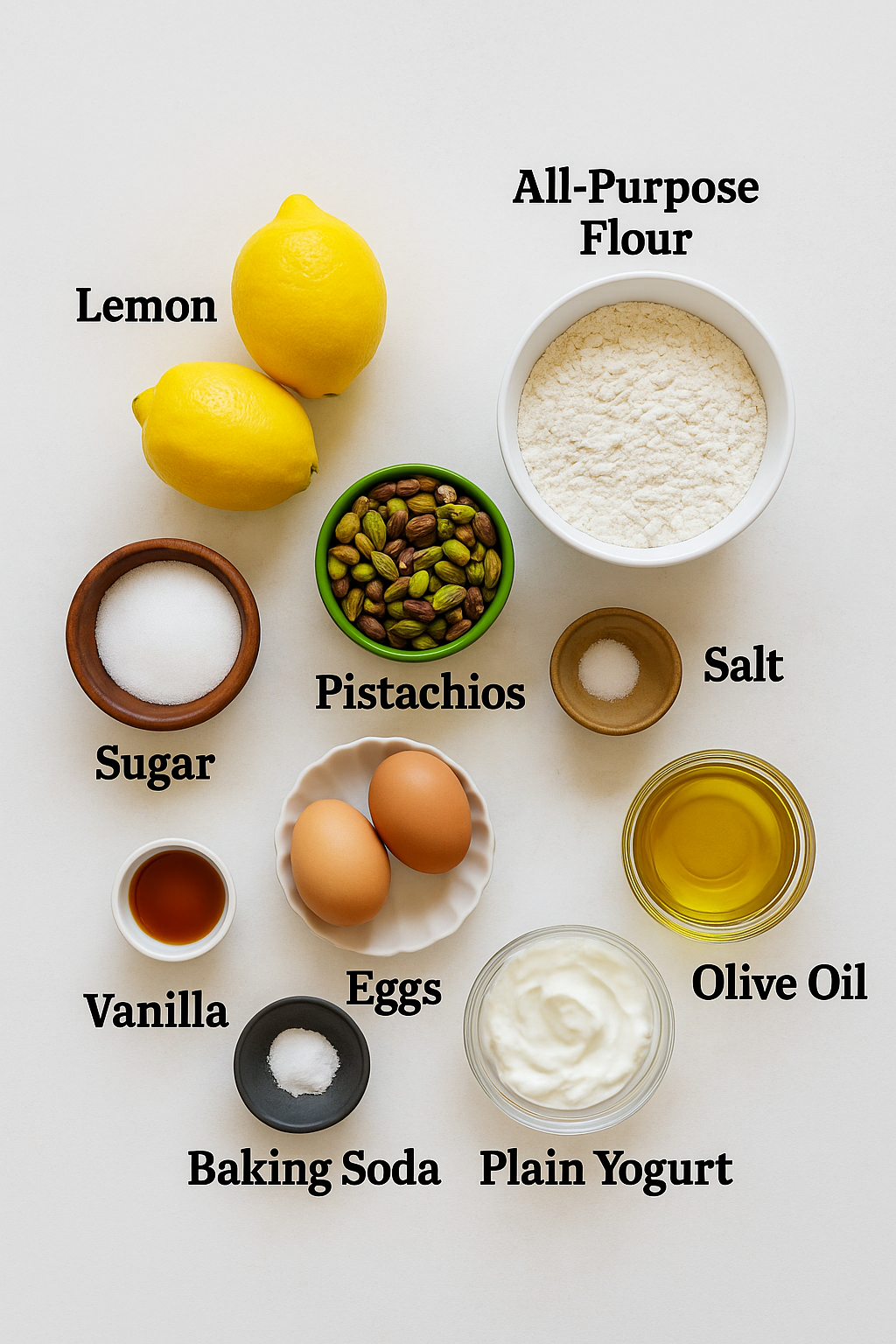
The success of a truly delicious lemon pistachio cake depends on using high-quality, fresh ingredients. Each component serves a specific purpose in achieving that perfect texture, flavor, and aroma. The foundation starts with unbleached all-purpose flour, which provides structure and lightness. A pinch of baking soda ensures the cake rises evenly, giving it that soft, fluffy crumb. Sea salt might seem minor, but it’s the secret to balancing sweetness and enhancing the citrus and nutty notes.
Medium-sized eggs, preferably at room temperature, help the batter whip up with more volume. Vanilla extract deepens the flavor while tying together the lemon and pistachio elements beautifully. Olive oil or unsalted butter adds moisture, ensuring every slice stays soft for days. For a tender crumb, plain yogurt is key—it adds richness and prevents the cake from drying out. Finally, granulated sugar sweetens the batter just enough without overpowering the natural tartness of the lemon.
The Importance of Fresh Lemons in Baking
Fresh lemons are at the heart of this cake. Both the zest and juice are essential to deliver that vibrant citrus aroma and tangy bite. Lemon zest contains natural oils that infuse the batter with a refreshing scent, while lemon juice gives the cake its signature tang. Avoid bottled juice because it lacks the brightness of freshly squeezed lemons. Zest the lemon before juicing to capture the maximum flavor, and always use organic lemons if possible to avoid any wax or bitterness on the peel.
When baked, the lemon flavor mellows just enough to balance the sweetness, creating a light, airy dessert that tastes fresh with every bite. This is what sets a lemon pistachio cake apart from other nut-based cakes—it’s vibrant yet subtle, indulgent yet refreshing.
Why Pistachios Add Unmatched Texture and Flavor
Pistachios are more than just a garnish in this recipe. They’re the star ingredient that adds richness, color, and crunch. The natural green hue of pistachios adds visual appeal, while their mild sweetness complements the lemon’s acidity perfectly. Using unsalted pistachios ensures that the nutty flavor shines without adding excess salt to the batter.
You can use whole pistachios for decoration or finely chop them for even distribution throughout the cake. Lightly toasting the pistachios before folding them in can enhance their aroma and make the nutty flavor more pronounced. The contrast between the soft crumb and the crisp pistachios makes this dessert a true sensory experience.
Essential Pantry Ingredients for Moist Cakes
While the lemon and pistachios take center stage, a few staple ingredients guarantee the perfect texture. Flour provides structure, but it’s the yogurt and olive oil that make the cake extra moist. The combination helps create a soft, melt-in-your-mouth texture that doesn’t dry out even after a few days.
Using room-temperature ingredients is another small but powerful step. It ensures smoother blending, prevents curdling, and helps the cake rise evenly. The goal is a balanced batter—smooth, airy, and fragrant, ready to bake into a golden, tender masterpiece.
Step-by-Step Guide to Making Lemon Pistachio Cake
Preparing the Batter with Lemon Zest and Pistachios
The beauty of this lemon pistachio cake lies in its simplicity. Start by preheating your oven to 350°F (175°C). Grease a 9-inch square cake pan and line it with parchment paper for an easy release. Zest your lemons first, then squeeze the juice—doing it in this order ensures you capture the maximum flavor and essential oils.
In a small bowl, combine the sugar and lemon zest, then rub them together gently with your fingertips until the sugar turns slightly yellow and fragrant. This step releases the oils from the zest, adding a deeper citrus flavor to the cake. In another bowl, whisk the flour, baking soda, and sea salt together to evenly distribute the leavening agents.
In a large mixing bowl, beat the eggs and vanilla extract until they’re light and slightly frothy. Add in the lemon-sugar mixture, continuing to beat until fully combined. Slowly drizzle in the olive oil, then mix in the yogurt for a smooth, creamy batter. Finally, fold the dry ingredients and fresh lemon juice into the wet mixture just until combined. Gently stir in the chopped pistachios for that signature nutty crunch.
Baking Tips for a Perfectly Moist Cake
Once your batter is ready, pour it evenly into the prepared pan and smooth the top with a spatula. Bake for 25 to 30 minutes, or until the top turns golden and a toothpick inserted in the center comes out clean. Avoid overbaking—this is one of the biggest mistakes people make with cakes that rely on citrus. Overbaking dries the crumb and dulls the fresh lemon flavor.
If you’re unsure, start checking the cake five minutes before the suggested bake time. Every oven behaves a little differently, so visual cues matter more than the timer. When the cake edges pull slightly away from the pan and the center springs back to touch, it’s ready.
Allow the cake to cool completely in the pan before removing it. This helps retain its moisture and prevents crumbling. Once cooled, you’ll notice how beautifully the lemon and pistachio aroma fills your kitchen, promising a slice that’s both tender and flavorful.
Cooling and Frosting the Cake Properly
Once your lemon pistachio cake is cool, it’s time to make it shine with a simple topping. A layer of whipped cream gives it a light, airy finish that complements the zesty notes. For a more polished look, sprinkle crushed pistachios over the frosting for contrast and texture.
If you prefer something brighter, make a quick lemon glaze by whisking together one cup of powdered sugar with two to three tablespoons of fresh lemon juice. Drizzle it over the cake while it’s still slightly warm so it soaks into the crumb, adding extra moisture and flavor.
Let the glaze set for about 10 minutes before slicing. You’ll get clean, glossy cuts that look beautiful on any dessert table. Whether you choose a classic whipped topping or a citrusy glaze, the finishing touch is what transforms this cake from simple to unforgettable.
Frosting, Fillings, and Toppings
Best Frosting Options for Lemon Pistachio Cake
A great frosting can take your lemon pistachio cake from everyday delicious to bakery-level stunning. The right topping not only adds sweetness but also enhances the cake’s texture and visual appeal. A classic whipped cream frosting is an excellent choice for this cake. It’s light, airy, and allows the lemon and pistachio flavors to shine through. Beat heavy cream with a touch of sugar and a splash of vanilla extract until soft peaks form. Spread it gently over the cooled cake and finish with a sprinkle of finely chopped pistachios.
If you prefer something richer, a smooth cream cheese frosting works beautifully. Its tangy flavor pairs perfectly with the citrus notes, giving every bite a creamy yet balanced taste. For a lighter version, you can add a spoonful of Greek yogurt to your frosting for extra freshness.
How to Make Lemon Glaze for Extra Zing
A lemon glaze is the easiest and most refreshing topping for this cake. To make it, whisk together one cup of powdered sugar with about two tablespoons of freshly squeezed lemon juice. The consistency should be thick but pourable. If you want a brighter flavor, add a bit of lemon zest to the mix.
Drizzle the glaze over the cake while it’s still slightly warm, letting it seep into the top layer. This creates a glossy finish and adds an extra punch of lemon flavor. Once the glaze sets, you’ll have a delicate, slightly crisp coating that contrasts beautifully with the soft interior. It’s simple, elegant, and full of flavor.
Using Whipped Cream and Crushed Pistachios for Decoration
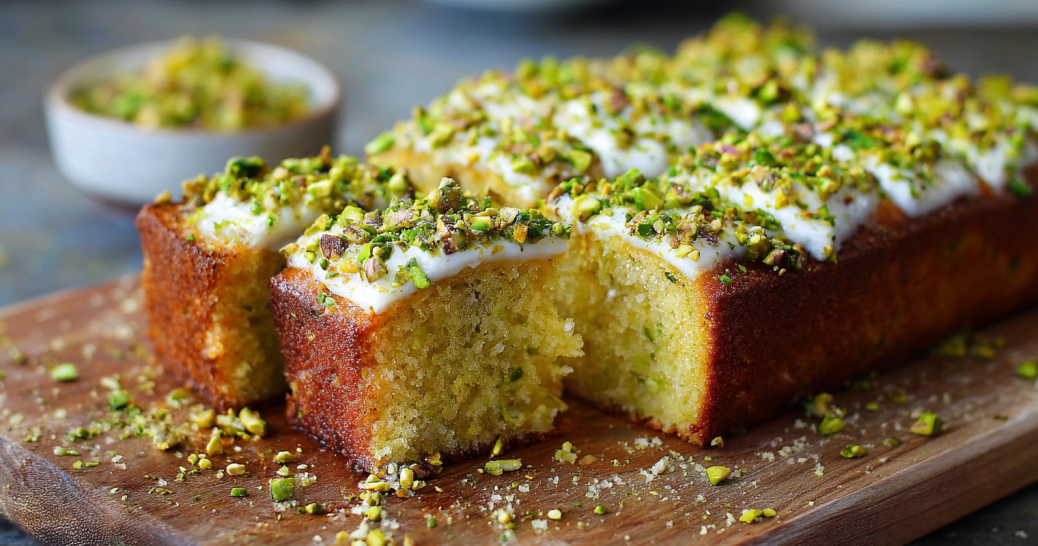
If presentation matters to you, this combination never fails. Spread a light layer of whipped cream evenly across the cake, then top it with crushed or chopped pistachios for that vibrant green color and crunch. The cream’s subtle sweetness balances the zesty lemon notes, while the nuts give a satisfying texture.
For a special touch, you can also add a few lemon zest curls or thin lemon slices on top. This not only enhances the visual appeal but also reinforces the cake’s fresh, citrusy character. The mix of colors—golden crumb, white cream, and green pistachios—makes this dessert truly eye-catching.
Creative Variations for a Stunning Presentation
There’s plenty of room to get creative with how you present your lemon pistachio cake. Try layering it with frosting and lemon curd for a more decadent version. You can also turn it into a layered celebration cake by baking two thinner cakes and stacking them with frosting and crushed pistachios in between.
For a Middle Eastern flair, drizzle the cake with a hint of rose water syrup before glazing. The floral aroma pairs beautifully with both lemon and pistachio. You can even add a touch of edible gold leaf for an elegant finish at dinner parties or festive occasions.
Whether you go simple or fancy, each variation brings out a different side of this versatile cake. It’s the kind of dessert that never looks the same twice but always tastes amazing.
Recipe Variations and Substitutions
Gluten-Free Lemon Pistachio Cake Option
If you’re avoiding gluten, you can easily make a gluten-free version of this lemon pistachio cake without sacrificing texture or flavor. Replace the all-purpose flour with a 1:1 gluten-free flour blend that includes xanthan gum. This ingredient helps mimic the elasticity of gluten, giving your cake structure and softness. For an extra tender crumb, you can also add a spoonful of almond flour to the mix. It complements the pistachio flavor perfectly and adds a hint of nuttiness.
Be sure to check that your baking powder and other ingredients are certified gluten-free to avoid cross-contamination. Bake as directed, and you’ll get a cake that’s just as moist, aromatic, and delicious as the original.
Vegan Lemon Pistachio Cake Alternative
For a plant-based version of this cake, swap the eggs with flax eggs. To make them, mix one tablespoon of ground flaxseed with three tablespoons of water for each egg. Let the mixture rest for 10 minutes until it thickens. Replace dairy yogurt with a non-dairy alternative like coconut or almond yogurt, and use olive oil instead of butter.
This version stays soft, light, and full of the same zesty lemon flavor. The pistachios add natural richness, making it hard to tell it’s completely vegan. It’s a great option if you’re baking for guests with dietary restrictions or prefer a lighter, plant-based treat.
Lemon Pistachio Loaf for Breakfast or Tea Time
Want something simpler? Turn this recipe into a loaf instead of a traditional cake. Pour the batter into a greased loaf pan and bake for about 40 to 45 minutes, checking for doneness with a toothpick. The result is a tender, flavorful lemon pistachio loaf that slices beautifully and pairs perfectly with tea or coffee.
A light dusting of powdered sugar or a drizzle of lemon glaze makes it extra inviting. This variation is perfect for breakfast, brunch, or afternoon snacks. Plus, it travels well and stays moist for days, making it ideal for gifting or picnics.
Middle Eastern Twist with Rose Water or Cardamom
To give your lemon pistachio cake a fragrant Middle Eastern touch, add one teaspoon of rose water or a pinch of ground cardamom to the batter. Rose water adds a floral note that enhances the pistachios’ natural aroma, while cardamom introduces a warm, spicy undertone that pairs beautifully with citrus.
For an extra decorative touch, sprinkle crushed dried rose petals on top before serving. This version feels exotic, elegant, and festive—a perfect way to impress guests during holidays or special occasions.
Butter or Olive Oil: Which One to Use?
If you prefer a richer taste, substitute olive oil with melted unsalted butter. Butter gives the cake a slightly denser texture and a more traditional flavor, while olive oil adds a lighter, fruitier note that complements the lemon. Both options work well, so choose based on your personal preference or dietary needs.
Expert Baking Tips for Lemon Pistachio Cake
How to Achieve the Perfect Texture Every Time
The key to a perfect lemon pistachio cake lies in achieving the right balance between lightness and moisture. Overmixing the batter is one of the most common mistakes bakers make. Mix just until the ingredients come together and no dry flour remains. This prevents the cake from becoming dense or heavy.
Another tip is to measure your flour correctly. Spoon the flour into your measuring cup, then level it off with a knife. Scooping directly from the bag packs in more flour than needed, which can make the cake dry. Using plain yogurt or Greek yogurt also helps maintain moisture without making the cake greasy. The result should be a tender, fluffy crumb that melts in your mouth.
The Secret to Balancing Sweetness and Citrus Flavor
Lemon desserts can easily become too tart or too sweet. The secret is to let the lemon zest carry most of the citrus flavor, while the juice provides brightness without overwhelming the other ingredients. The natural oils in the zest deliver a strong lemon aroma that feels fresh and vibrant.
If you prefer a more intense lemon flavor, increase the zest slightly rather than the juice. This keeps the acidity in check while enhancing the overall taste. Likewise, avoid using bottled lemon juice since it often tastes flat. Fresh lemons make all the difference. To balance sweetness, always taste your batter before baking; it should taste slightly tangy but still pleasant.
How to Prevent Overmixing and Dense Texture
When combining the wet and dry ingredients, use a gentle folding motion instead of beating. Overmixing develops the gluten in the flour, which can make your cake tough. Stop mixing as soon as the batter looks smooth and even.
Another helpful technique is to use room-temperature ingredients. Cold eggs, yogurt, or oil can cause the batter to curdle, leading to uneven baking. Allow all ingredients to sit out for at least 20 minutes before starting. This simple step ensures a smooth, even texture from start to finish.
Common Baking Mistakes and How to Avoid Them
Even experienced bakers can run into small issues. If your cake sinks in the middle, it’s likely underbaked. Check the center with a toothpick; if it comes out clean, the cake is ready. For dry edges, make sure you’re not baking too long or at too high a temperature. Every oven varies, so use an oven thermometer for accuracy.
Avoid opening the oven door too early. Sudden drops in temperature can cause the cake to collapse. Wait until the cake is mostly set before checking. Finally, always cool the cake completely before frosting. Frosting a warm cake can cause the topping to melt or slide off. Patience truly pays off here—the result is a soft, moist lemon pistachio cake that looks and tastes perfect.
Serving Ideas and Pairings
What Goes Well with Pistachio in Baking
Pistachios bring a delicate, nutty flavor that pairs effortlessly with many ingredients in baking. They complement warm spices like cardamom, cinnamon, and nutmeg, as well as fresh fruits such as cherries, oranges, and berries. When used in cakes, pistachios add both richness and texture, turning simple desserts into elegant creations.
For your lemon pistachio cake, pistachios work best alongside citrus flavors that brighten their earthy tones. A light drizzle of honey, a touch of orange zest, or a sprinkle of rose petals can elevate both flavor and appearance. You can also pair pistachios with creamy ingredients like mascarpone, ricotta, or white chocolate for extra indulgence. These combinations add depth and balance to the cake’s natural zesty profile.
Does Lemon Pair Well with Pistachio in Desserts
Lemon and pistachio might seem like an unexpected match, but they’re a perfect duo in desserts. The citrus sharpness of lemon enhances the nutty sweetness of pistachio, creating a flavor that feels refreshing rather than heavy. This harmony makes lemon pistachio cake stand out from typical nut-based desserts.
Lemon cuts through the richness, ensuring each bite tastes light and balanced. The tangy notes of lemon zest and juice brighten the pistachio’s warm, buttery taste, offering a contrast that’s both sophisticated and comforting. Whether you serve it plain, frosted, or glazed, the combination always feels luxurious yet easy to enjoy.
Best Drinks and Desserts to Serve with Lemon Pistachio Cake
This lemon pistachio cake pairs wonderfully with both hot and cold beverages. For a cozy afternoon treat, enjoy it with black tea, chamomile, or a cup of rich espresso. If you’re serving it after dinner, a chilled glass of limoncello or a light dessert wine complements the cake’s citrusy notes beautifully.
For a dessert table, consider pairing it with light, fruity sweets like lemon curd tarts, pistachio biscotti, or even berry compote. These additions create a vibrant, colorful spread that appeals to all palates. You can also serve small slices of lemon pistachio cake alongside vanilla ice cream or yogurt for a creamy contrast that enhances both the lemon and pistachio flavors.
Plating and Presentation Ideas for Special Occasions
Presentation plays a big role in how a dessert feels, especially when it’s as elegant as lemon pistachio cake. For casual gatherings, slice the cake into neat squares, dust with powdered sugar, and top with a few whole pistachios. If you’re hosting a dinner party, serve each slice with a drizzle of lemon glaze and a thin lemon wheel for a restaurant-style touch.
To make it more festive, layer the cake with whipped cream and crushed pistachios, then garnish with edible flowers or gold flakes. The contrast of soft cake, creamy frosting, and crunchy nuts looks stunning on any dessert plate. You can even turn the cake into small cupcakes or mini loaves for a modern twist on individual servings.
The beauty of this dessert lies in its versatility. It fits effortlessly at elegant events, family dinners, or casual coffee breaks. No matter how you present it, the lemon pistachio cake always brings color, texture, and irresistible flavor to the table.
Storage, Freezing, and Make-Ahead Tips
How to Store Lemon Pistachio Cake for Freshness
One of the best things about this lemon pistachio cake is how well it keeps its flavor and texture over time. When stored properly, it stays moist and delicious for several days. If the cake is unfrosted, you can keep it in an airtight container at room temperature for up to three days. Make sure the container is tightly sealed to prevent it from drying out or absorbing odors from other foods.
If the cake has frosting or glaze, it’s best to refrigerate it. Place it in a covered container and let it chill for up to five days. Before serving, allow it to come back to room temperature for about 30 minutes so it regains its soft, fluffy texture. The lemon flavor will actually deepen after a day or two, making it even more irresistible.
Refrigeration and Freezing Guidelines
Refrigeration works well for short-term storage, but freezing is ideal if you want to make the lemon pistachio cake ahead of time. To freeze, wrap the completely cooled cake tightly in plastic wrap, then place it in a freezer-safe container or heavy-duty freezer bag. This double-layer protection prevents freezer burn and keeps the cake tasting fresh.
For best results, freeze the cake without frosting or glaze. When you’re ready to enjoy it, let it thaw overnight in the refrigerator or for a few hours at room temperature. If desired, you can warm slices in the microwave for 10–15 seconds to bring back that just-baked softness before adding any topping.
How to Reheat and Serve Leftover Cake
If your lemon pistachio cake has been refrigerated, reheating it slightly makes a big difference in texture. Place a slice on a microwave-safe plate and heat it for 10 seconds at medium power. This helps soften the crumb and refresh the citrus aroma. You can also reheat it in a low oven at 300°F (150°C) for about five minutes if you prefer a firmer texture.
Once warmed, top it with a spoonful of whipped cream, a drizzle of lemon glaze, or a sprinkle of crushed pistachios to make it feel freshly baked again. Even leftover slices taste indulgent when served with a little care.
Batch Baking Tips for Events or Parties
If you’re baking for a crowd, this recipe scales up beautifully. Simply double the ingredients and use two pans instead of one to ensure even baking. It’s a great make-ahead dessert for birthdays, bridal showers, or tea parties because it stays flavorful for days and travels well.
To save time, you can bake the cakes a day in advance, wrap them securely, and frost them right before serving. If you plan to serve individual portions, consider baking the batter as cupcakes or mini loaves. These smaller servings are easier to store, freeze, and reheat while still keeping all the zesty lemon and pistachio goodness intact.
No matter how you prepare it, this cake’s durability makes it a perfect choice for both casual and special occasions. It’s a dessert that’s as practical as it is delicious.
Conclusion: Bringing Sunshine and Crunch Together
The charm of a lemon pistachio cake lies in its effortless blend of zesty lemon flavor and nutty pistachio richness. It’s a dessert that feels bright, fresh, and satisfying, whether served for a family brunch or as the highlight of a dinner table. Every bite brings together the lightness of citrus and the gentle crunch of pistachios in perfect harmony.
This recipe proves that a few simple ingredients can create something extraordinary. With its moist crumb, golden color, and fragrant aroma, this cake captures the essence of homemade comfort. It’s easy to bake, delightful to share, and guaranteed to become one of your favorite go-to desserts.
If you enjoyed this recipe and want to explore more homemade desserts like this one, follow us for inspiration and new ideas. You’ll find more delicious cakes, cookies, and family-favorite recipes on our pages:
- Facebook – Discover the latest recipes and baking tips shared weekly.
- Pinterest – Save your favorite dessert ideas and find visual inspiration for your next bake.
Stay connected, try new flavors, and keep your kitchen filled with the joy of baking. Every recipe is a chance to create something memorable and delicious.
FAQs About Lemon Pistachio Cake
What Goes Well with Pistachio in Baking
Pistachios have a mild, buttery flavor that pairs beautifully with both sweet and citrusy ingredients. In baking, they go especially well with lemons, oranges, cherries, honey, and white chocolate. Their earthy notes balance out tart or creamy flavors, making them perfect for cakes, pastries, and cookies. In a lemon pistachio cake, pistachios add both crunch and richness, creating a satisfying contrast to the light, zesty crumb.
What Filling Goes with Pistachio Cake
Several fillings can complement the nutty flavor of pistachio cake. Lemon curd is one of the best options because it adds a tangy brightness that balances the cake’s richness. For something creamier, try mascarpone or white chocolate mousse. Raspberry or strawberry jam also pairs nicely, giving a fruity layer that adds sweetness and color. If you want to keep it light, a simple layer of whipped cream with crushed pistachios works beautifully too.
Does Lemon Pair Well with Pistachio
Yes, lemon pairs exceptionally well with pistachio. The zesty freshness of lemon enhances the natural sweetness and depth of pistachios, creating a dessert that’s refreshing and flavorful without being heavy. The acidity of lemon juice brightens the nutty notes, while lemon zest brings an aromatic quality that makes each bite pop. This combination is what makes lemon pistachio cake stand out—it’s balanced, vibrant, and satisfying.
Why Is Pistachio Cake So Good
Pistachio cake is so good because it offers the perfect mix of texture, color, and flavor. The nuts provide a rich, buttery crunch that contrasts beautifully with the soft crumb. When paired with lemon, the cake becomes lighter and more aromatic. Pistachios also add a subtle sweetness and a gorgeous natural green hue that makes the dessert as stunning to look at as it is to eat. Every bite feels both comforting and sophisticated, which is why this cake remains a favorite among home bakers and pastry lovers alike.